
Bjarkøy History
It's a Long Story.
Habitation here reaches back to the Early Stone Age. What follows is a walk through several thousand years of it.
The island's name comes from the Old Norse Bjarkarey. The first element is the genitive of bjørk, meaning "birch," as in the tree; the last element is øy, meaning "island." What the original inhabitants called it, we don't know.
There is evidence of habitation and burial from the Early Stone Age, 4500–1800 BC. You can still hike from Nergårdhamn to Austnes and see the stone grave mounds along the way.
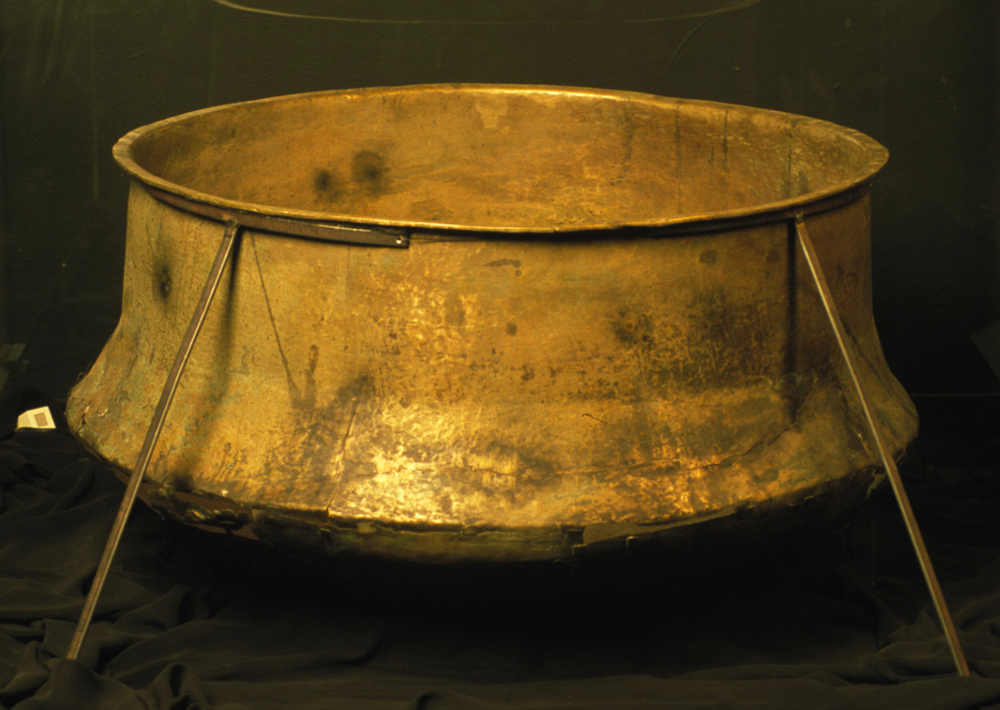
During the Iron Age, around 200 AD, the island became a power centre. Among the treasures found here is a large bronze cauldron, dated to around 400 AD, discovered in a bog. It is housed today at the Trondenes Historical Center in Harstad.
The Viking
Tore Hund
Tore Hund was an influential man in Hålogaland, his home the island of Bjarkøya in Troms. He belonged to the upper class of Norwegian coastal chiefs, strongly independent and a devout pagan, and was a member of the Bjarkøy clan, one of the more powerful families in Northern Norway during the Viking Age.
An accomplished viking, he led several expeditions toward Russia and the White Sea, and traded in Bjarmaland, in what is now the Arkhangelsk region of northern Russia. A complicated historical figure, worth reading about in full.
Read more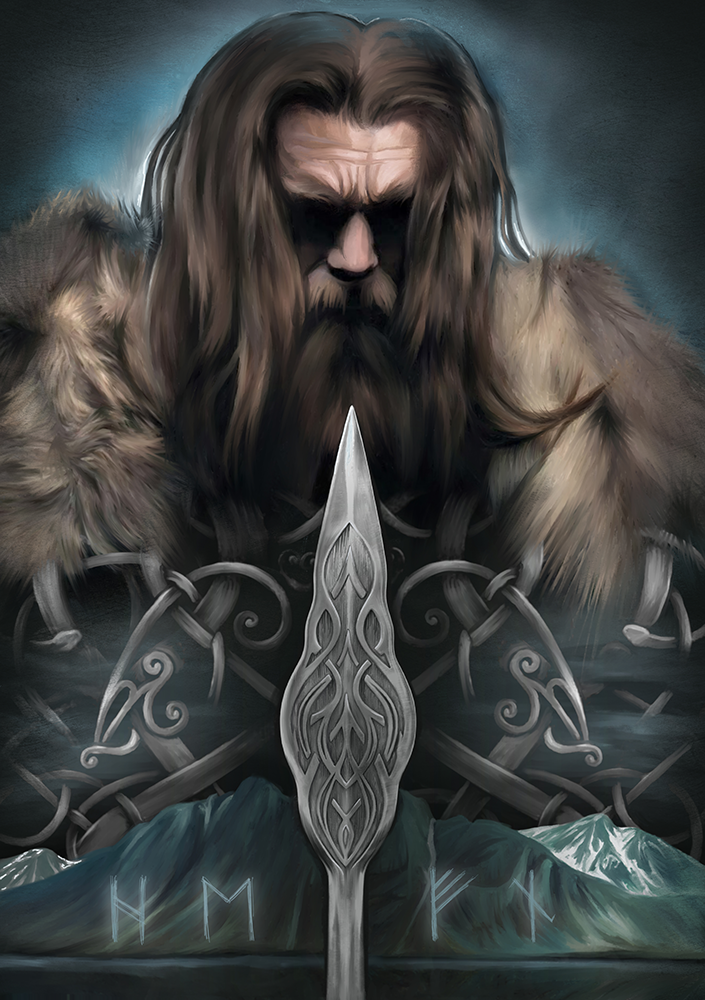
Watch
HEVN
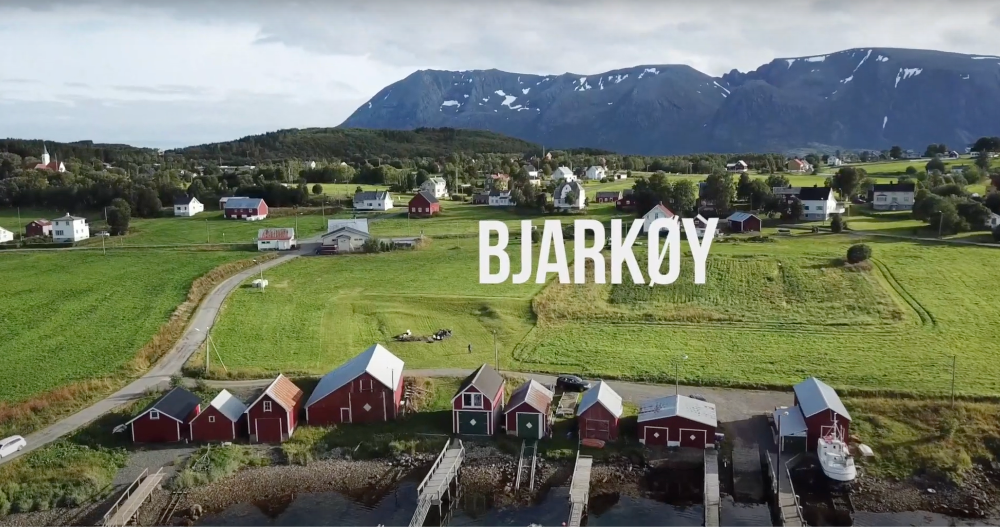
A short film by Juliana Loomer, set in the archaeological dig at Nergården on Bjarkøy, by the great boathouse of the viking chieftain Tore Hund.
See the video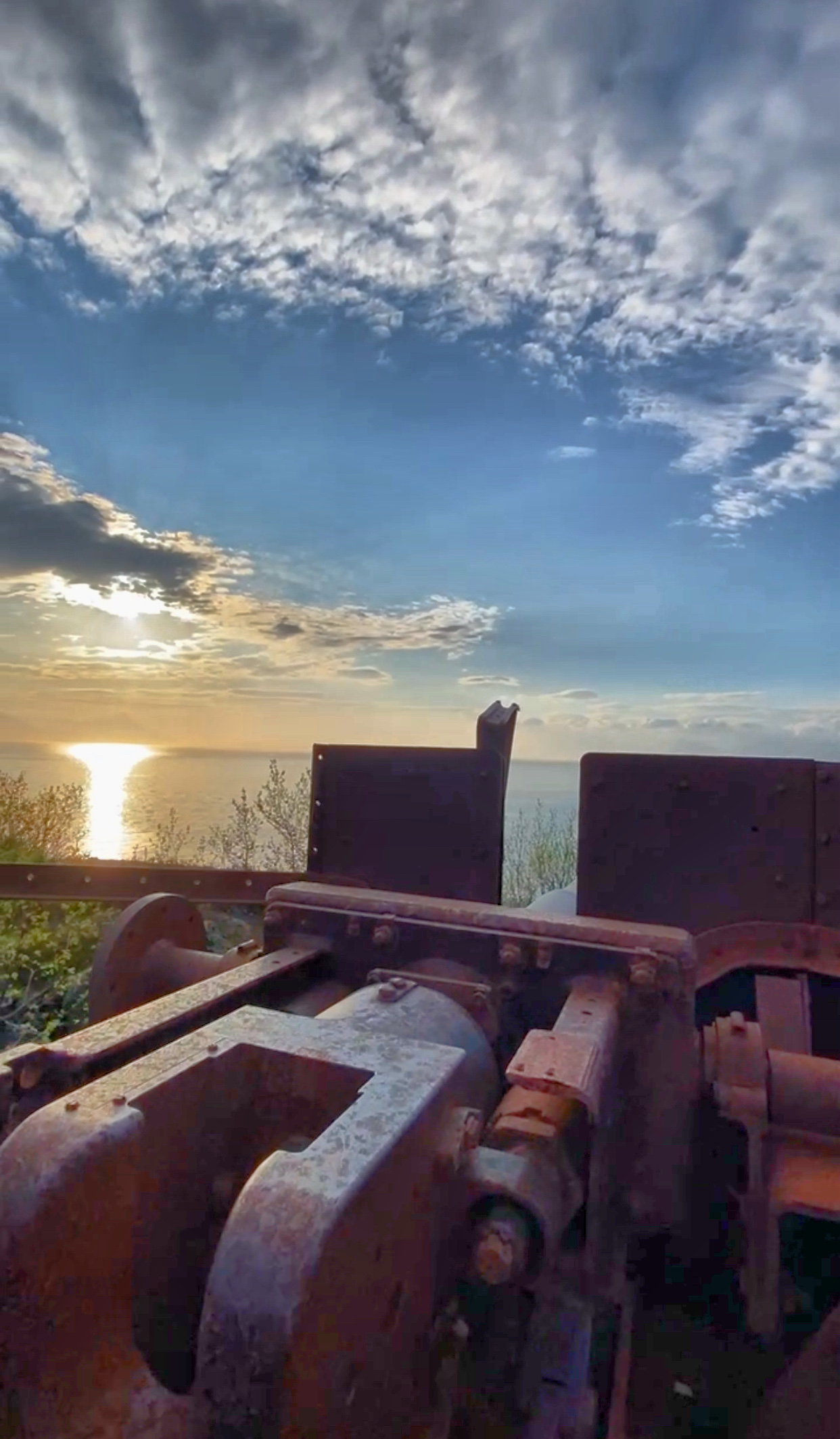
1940–45
Bjarkøy Batteri
During WWII, Bjarkøy was occupied by German forces and used to protect Harstad harbour. First built as a near-shore battery and later upgraded to a naval shore battery, it reflects the occupier's plans to rearm the Norwegian coast as part of the larger Atlantic Wall.
It is likely one of the northernmost German coastal batteries left standing dry after the withdrawal from Finnmark in 1944–45, making it an important cultural monument from the last phase of the war in the north. Lundgård house in Nergårdshamn served as officers' quarters, and Russian prisoners were used as forced labour to build the bunker system inside the hills.
Today the network of paths and bunkers still exists and is a wonderful place to explore, with a cannon overlooking the waterway. For photographers, it's a must.
Read more